

Exploring the Illinois Iron Furnace in Southern Illinois
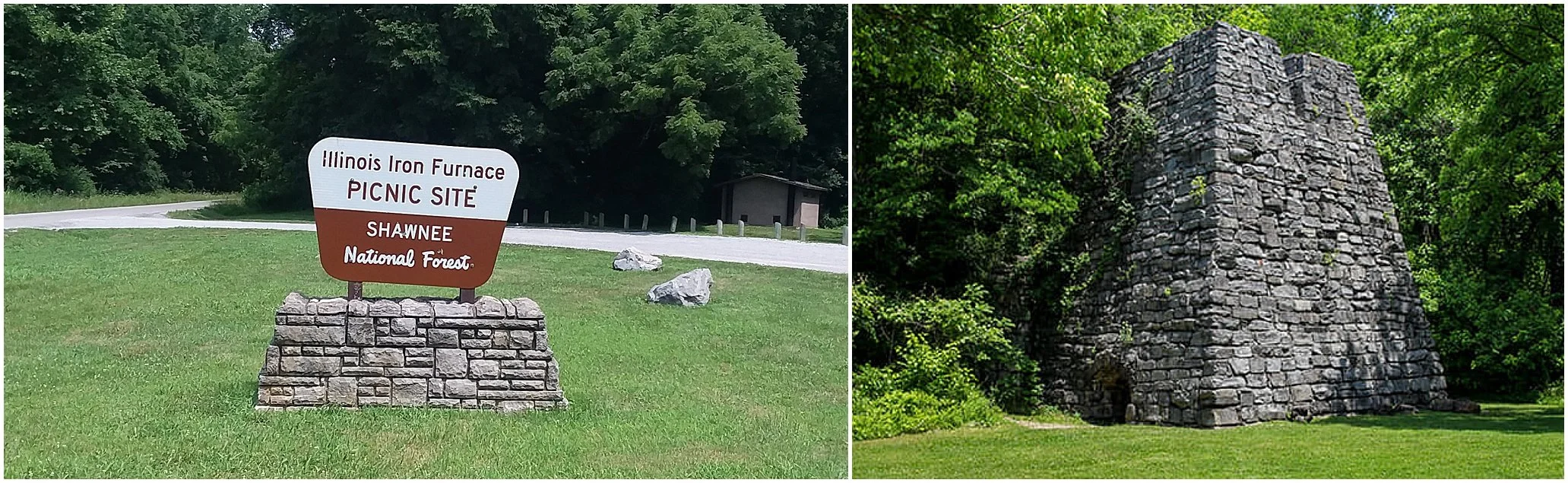
Tucked deep within the rolling hills of the Shawnee National Forest sits one of Southern Illinois’ most fascinating hidden pieces of history — the Illinois Iron Furnace. Surrounded by towering trees, winding backroads, and the peaceful beauty of the Shawnee Hills, this historic site offers visitors a glimpse into the industrial past that helped shape the region long before tourism and hiking trails brought travelers to the area.
Originally built sometime between 1837 and 1839, the Illinois Iron Furnace was used to smelt locally mined iron ore into “pig iron,” which was then transported down the Ohio River for use across the country. At the time, Southern Illinois was rich in natural resources including iron ore, timber, and limestone — all essential ingredients needed for iron production.
The furnace itself is an impressive sight. Standing nearly 32 feet tall, the massive stone structure was constructed using locally quarried limestone and designed using a dry-laid masonry technique that allowed the stone to expand under extreme heat. Temperatures inside the furnace reportedly reached close to 3,000 degrees Fahrenheit during operation. Even today, the craftsmanship is remarkable to see in person.
During the mid-1800s, the iron industry played an important role in the economy of Southern Illinois. Small furnace communities developed around these industrial sites, creating jobs and supporting local families. The Illinois Iron Furnace was one of only two iron furnaces built in the Shawnee Hills region, and today it remains the only surviving furnace structure left in the state of Illinois.
Like many industries of the era, the furnace experienced interruptions during the Civil War due to labor shortages and transportation challenges. While local legends often claim iron from the furnace helped support Union efforts, historians believe production was inconsistent during those years. Eventually, advances in iron manufacturing and the discovery of richer ore deposits near the Great Lakes caused the Southern Illinois iron industry to decline. The furnace permanently ceased operations in the 1880s.
Over time, portions of the original structure were damaged, and some of its stone was even removed during highway construction projects in the 1930s. Thankfully, restoration efforts in the 1960s helped preserve the site we see today. In 1973, the Illinois Iron Furnace was added to the National Register of Historic Places.
Today, visiting the Iron Furnace feels a bit like stepping back in time. The quiet forest setting, historic stonework, picnic area, and nearby walking trails make it a perfect stop during a Southern Illinois getaway. It’s especially popular among history lovers, photographers, road trippers, and anyone wanting to explore beyond the well-known attractions of the Shawnee National Forest.
One of the best parts about exploring Southern Illinois is discovering places like this — hidden gems filled with stories, history, and scenic beauty. Whether you’re spending the weekend hiking Garden of the Gods, visiting Cave-In-Rock, or simply enjoying the peaceful backroads of the Shawnee Hills, the Illinois Iron Furnace is well worth the detour.
If you’re planning a trip to Southern Illinois, staying nearby gives you the perfect opportunity to explore these unique historic sites at your own pace. At Shawnee Stays, our properties place you close to many of the region’s most memorable attractions, hidden gems, hiking trails, and river towns — making it easy to experience the history and beauty that make the Shawnee region so special.